Exploring global attitudes toward gambling A cultural journey
The Historical Context of Gambling
Gambling has a long and diverse history, tracing back to ancient civilizations where games of chance were intertwined with religious practices and social rituals. In societies like Ancient Rome and China, gambling not only served as entertainment but also reflected cultural beliefs and societal norms. Over time, as societies evolved, so did their perceptions of gambling, leading to varying degrees of acceptance or prohibition across different cultures. Among the exciting options available today is the chicken road 2 game app, which showcases modern gaming’s evolution in this context.
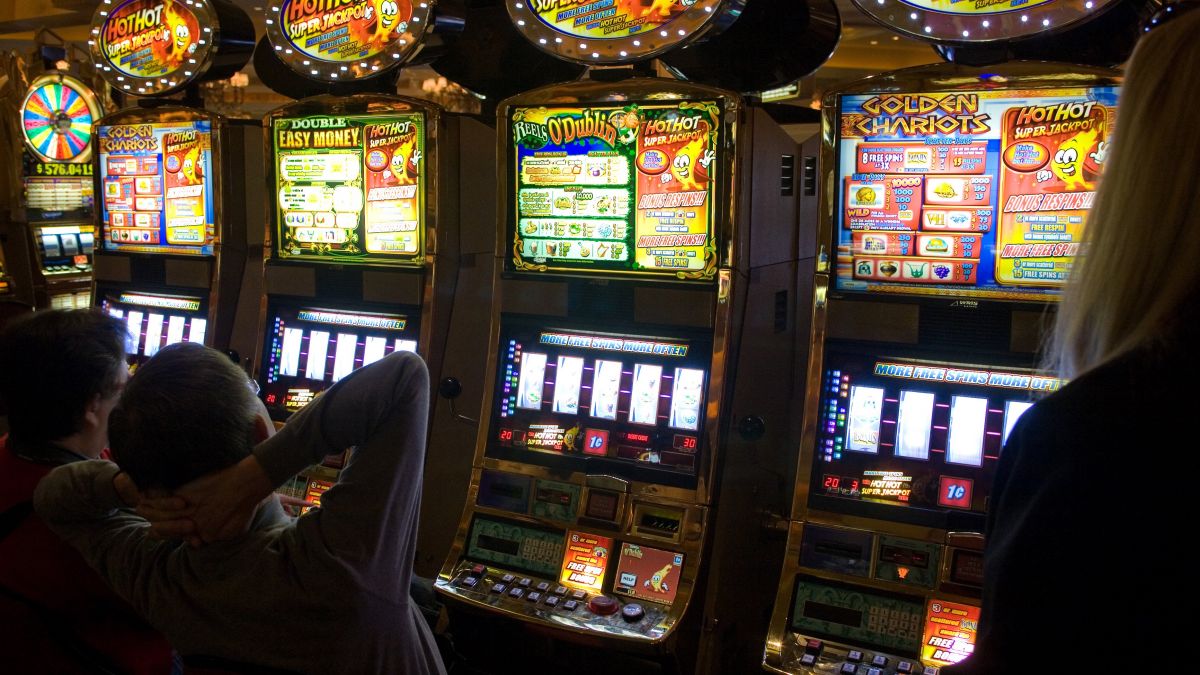
This historical backdrop forms the foundation for contemporary attitudes toward gambling. Countries with a rich gambling heritage, like Monaco or Las Vegas in the United States, have embraced it as a significant part of their economy and culture. In contrast, regions with stricter religious or cultural frameworks often view gambling with skepticism or outright disapproval, emphasizing the role of history in shaping modern perspectives.
Cultural Differences in Gambling Practices
Cultural attitudes toward gambling can be as diverse as the countries themselves. In many Western nations, gambling is often seen as a form of entertainment, a leisure activity to be enjoyed responsibly. Casinos, sports betting, and online gambling platforms flourish in these environments, where the emphasis is on personal choice and responsibility. The chicken road 2 game app, for example, illustrates how gaming can provide entertainment while requiring responsible engagement.
Conversely, in many Asian cultures, gambling is often viewed through a different lens. For example, in countries like Japan and China, gambling can be deeply ingrained in social gatherings, particularly during festivals and special occasions. However, these cultures also face significant scrutiny regarding gambling’s potential for addiction and financial ruin, leading to calls for responsible gambling practices to mitigate risks.
The Role of Regulation and Legislation
Regulation plays a crucial role in shaping gambling attitudes worldwide. Countries with well-established legal frameworks tend to foster healthier gambling environments, providing protections for consumers and promoting responsible gambling practices. For instance, nations like the United Kingdom have implemented strict regulations to ensure fairness and transparency in gambling operations.
On the other hand, in regions where gambling is illegal or heavily restricted, underground operations often thrive. This lack of oversight can lead to increased instances of gambling addiction and exploitation. Thus, the relationship between regulation and cultural attitudes highlights the importance of informed governance in addressing gambling-related issues effectively.
Responsible Gambling: A Global Necessity
The growing awareness of gambling addiction has shifted the focus toward responsible gambling practices across cultures. Initiatives promoting awareness, education, and support for individuals struggling with gambling issues have gained momentum globally. These efforts are essential in creating a balanced approach to gambling, where enjoyment does not come at the cost of personal and financial health.
Countries are increasingly adopting frameworks to encourage responsible gambling, integrating tools like self-exclusion options and educational resources. Such measures reflect a cultural shift towards recognizing the potential risks of gambling and prioritizing player safety and well-being as integral components of the gambling experience.

Conclusion: Understanding Global Attitudes Toward Gambling
The cultural journey through global attitudes toward gambling reveals a complex interplay of history, regulation, and societal values. As nations navigate the challenges and opportunities presented by gambling, the emphasis on responsible practices becomes increasingly critical. Understanding these diverse perspectives not only enriches our appreciation of gambling as a cultural phenomenon but also fosters a more informed dialogue about its implications.
Ultimately, as awareness and understanding of gambling evolve, so too will the strategies and policies aimed at ensuring that this activity remains a safe and enjoyable pursuit. Emphasizing responsible gambling practices is vital in maintaining a balance that respects cultural differences while promoting the welfare of individuals and communities alike.